Four builders are working in Campbell while Cupertino sits dark — here's the one number that explains it
57 days on market. Three of the five Campbell sales cut price before closing. The median result landed 4.3% below asking.
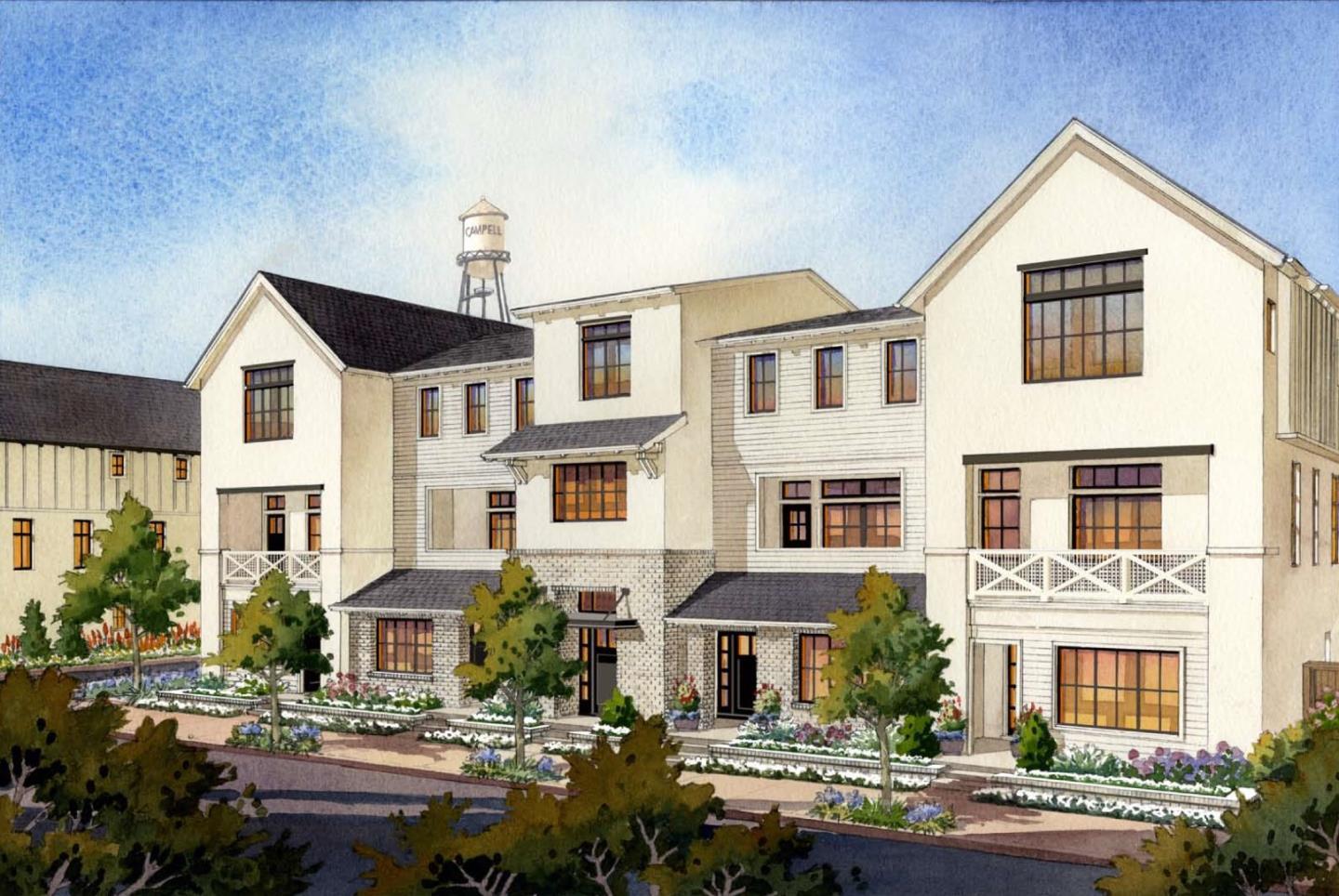
That's the market I'm working in. And yet four builders are simultaneously selling new townhomes here, with entry pricing around $1.23 million and top of range near $2.48 million, all delivering in 2026. Parklane. Monarch. Oasis at Monarch. Union Villas — four communities, six and a half square miles, a downtown you can walk end to end in nine minutes.
Cupertino has had years where it built no housing at all. So has Palo Alto. Saratoga. Same county. Same building code. Same construction costs. Same interest rates.
I wanted to know what Campbell knows. So I pulled 39 townhome closings across Campbell, Sunnyvale, Cupertino, Los Altos, and Saratoga for the last three months and ran the numbers. The answer turned out to be a single comparison — and it isn't the one anybody talks about.
Why the math dies before a single neighbor complains
Developers didn't abandon most of the Bay Area because they lost their nerve. They abandoned it because the arithmetic stopped closing — quietly, in a spreadsheet, before a permit was ever filed.
Stack it up: Silicon Valley land costs, impact fees, prevailing wage, insurance that has tripled, construction financing at rates nobody underwrote for, and an entitlement process that can run five years and still end in a no. Run that against a 200-unit apartment building and you need rents that don't exist to hit a return.
So the project dies at the pro forma stage. The public argument is about council meetings and lawn signs. The actual argument is whether a number pencils. For most of this region, for most product types, it hasn't in years.
The listing that started this
121 Gilman Avenue — the John D. Morgan plan in the Parklane community by Robson Homes — went to market at $2,225,000. One block off downtown Campbell, directly across from Campbell Park and the Los Gatos Creek Trail. Three stories, 2,375 square feet, four bedrooms, three and a half baths, Bosch kitchen, owned solar, EV charging, side-by-side two-car garage, $388/month HOA. Fall completion.
That works out to $937 per square foot. My first reaction was that it looked like a stretch.
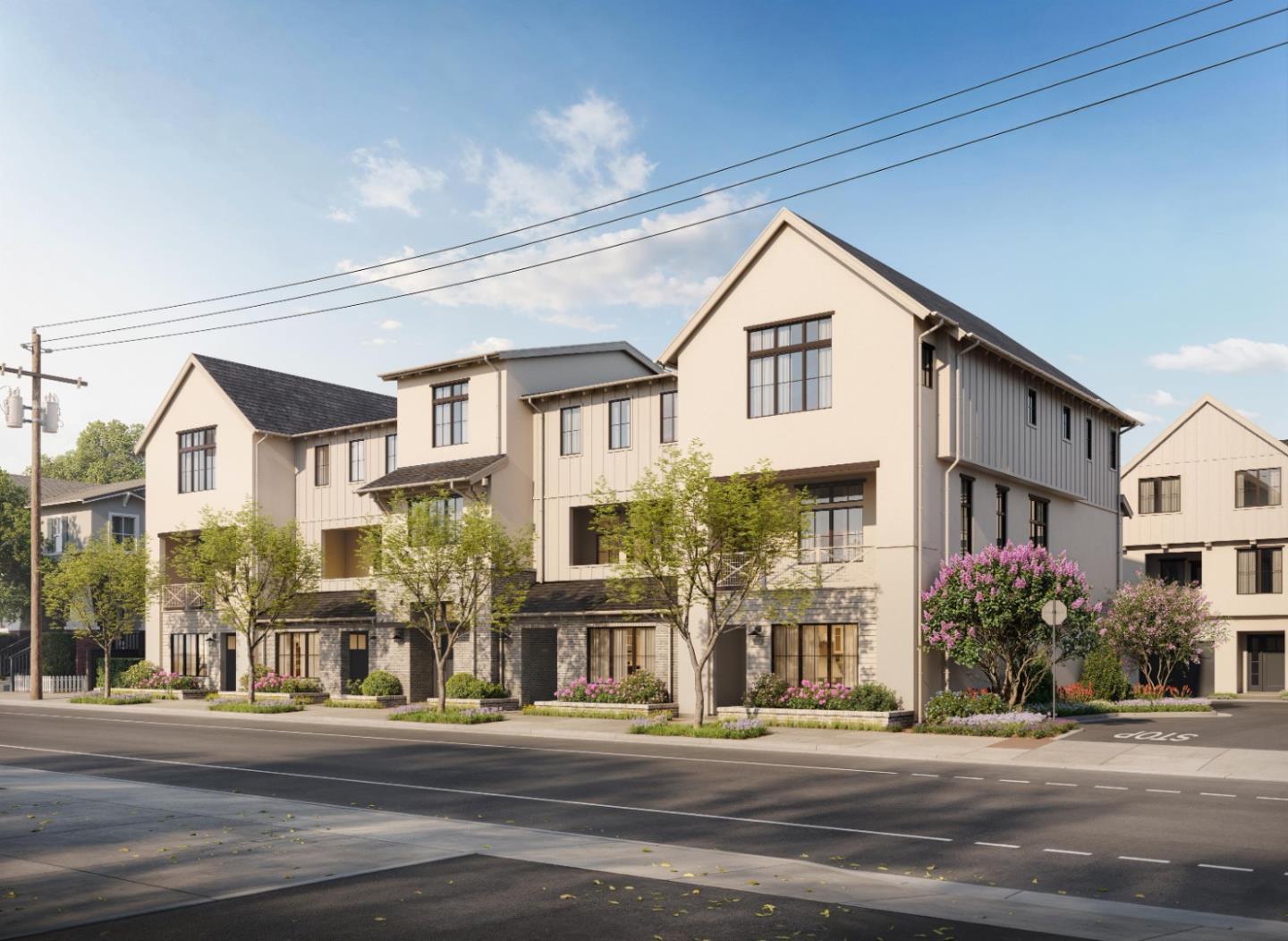
Then I noticed the ground floor: a junior ADU. Kitchenette, full bath, optional private entry. A second dwelling built into a for-sale home from day one. That detail is not decoration. Hold onto it.
What 39 closings actually say
I published the full comparative market analysis so you can check every row yourself. The short version: comparable selection is gated on MLS area code, not ZIP code. The subject is in Campbell (area 15). Two properties in the data carry Campbell mailing addresses but sit in Cambrian (area 14) — a different pricing regime, held out of the primary set. That leaves five Campbell (15) townhome closings, three within 10% of the subject's size.
Those three: 616 Sunsweet Way at $973 a foot. 271 Wagon Way, brand new, at $873. 124 Lottie Lane at $857. A band of $857 to $973. Supported value lands around $2,150,000, with a defensible range of $2,075,000 to $2,250,000. The asking price clears — in the upper third of the range, requiring a buyer to pay near the best per-foot result in the submarket on a larger-than-typical home. But it clears.
The interesting part is why, because on the first pass it shouldn't have.
The finding: it's vintage, not size
Sort every Campbell and Sunnyvale townhome in the 39-closing set by square footage and you get exactly what the textbook predicts. Smallest quartile: $983 a foot. Largest quartile: $734. Price per foot decays hard as homes get bigger — buyers pay a premium for the first thousand feet and a discount for the last. Read it that way and $937 on a 2,375-square-foot home looks indefensible.
Now sort those same large homes by age instead.
| Segment | Size threshold | Age | Closings in set | Median $/sqft |
|---|---|---|---|---|
| Large, recent | 1,900 sqft+ | Built within last 12 years | 4 sales | $865 |
| Large, older | 1,900 sqft+ | Older than 12 years | 5 sales | $683 |
| All large combined | 1,900 sqft+ | Mixed | 9 sales | $734 |
Sample: 9 large-unit closings from the 39-closing three-month pull across Campbell and Sunnyvale.
A 27% spread. Same square footage range. Same two cities. Same six months of closings. Three-decade-old floor plans printing $626, $642, $683, $700 a foot drag the whole large-unit quartile down. Contemporary large product doesn't participate in that discount at all.
The subject isn't being benchmarked against $734. It's being benchmarked against $865. And at that number, a well-located new build with a built-in income unit asking $937 is a reasonable stretch — not a fantasy.
The number that explains the cranes
Set the subject aside. Put the two production submarkets next to each other.
Campbell's median townhome closing in this set: 2,094 square feet at $857 a foot. Sunnyvale's: 1,665 square feet at $866 a foot.
Read those twice. The price per foot is essentially identical — a 1.1% difference, well inside noise. Buyers aren't paying a Campbell premium per foot or a Sunnyvale premium. But Campbell's median unit is 25.8% larger, which means it produces 24.4% more revenue per door.
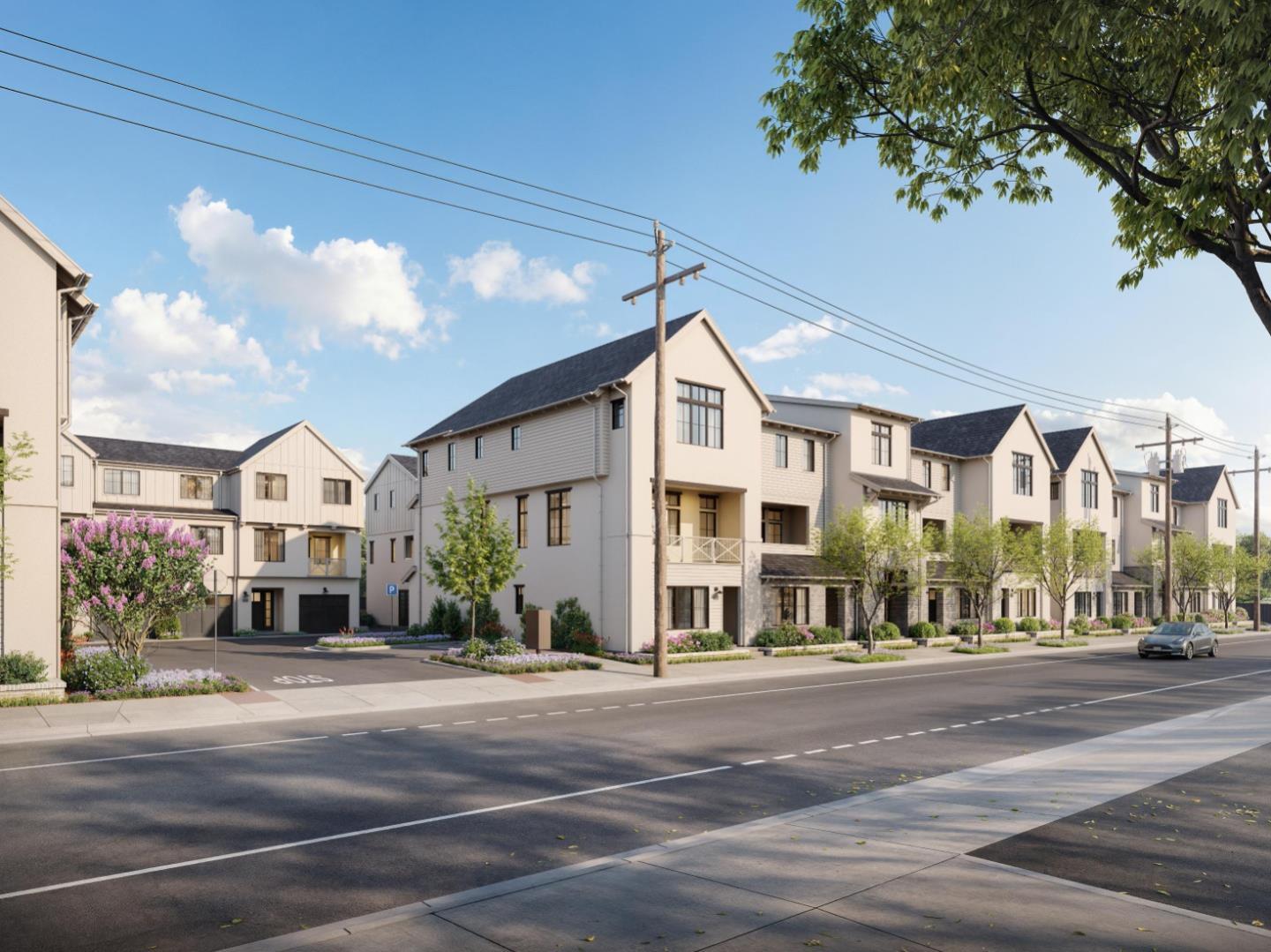
That's the whole thing. A builder doesn't underwrite price per foot — a builder underwrites revenue per lot. Campbell permits three stories on roughly 1,200 square feet of dirt, which converts the same parcel into meaningfully more sellable area at a price per foot the market already pays. Then the junior ADU adds a rentable unit without buying another lot, which improves buyer financing and widens the qualifying pool.
Small lot. Vertical. For-sale rather than rental, so there's no cap-rate exposure and capital recycles in roughly thirty months instead of a ten-year hold. Scale small enough that nobody organizes a 400-person council meeting over forty townhomes.
Four moves, and a project that dies in Cupertino pencils in Campbell.
The honest asterisks — both of them
Everything above is an argument about developer economics. It is not an argument that homes move fast here, and I'd be misleading you if I let it read that way.
Campbell's median days on market in this set: 57. Sunnyvale's: 32. Three of the five Campbell sales cut price before closing. 124 Lottie Lane opened at $1,988,888 and closed at $1,800,000 after 66 days — a $188,888 concession, two blocks from the subject. 63 Braxton Terrace sat 113 days. Even 271 Wagon Way, the brand-new comp, needed 57 days to close within half a percent of list. The homes that cut price didn't recover. They just sold later, for less.
And the second asterisk, which matters more: the primary comp set is three sales. The Campbell area set is five. The vintage comparison rests on four recent and five older closings. Those are thin samples. The direction of the vintage gap is well supported — the specific decimals are not. I've published every row so you can see exactly how thin the ice is.
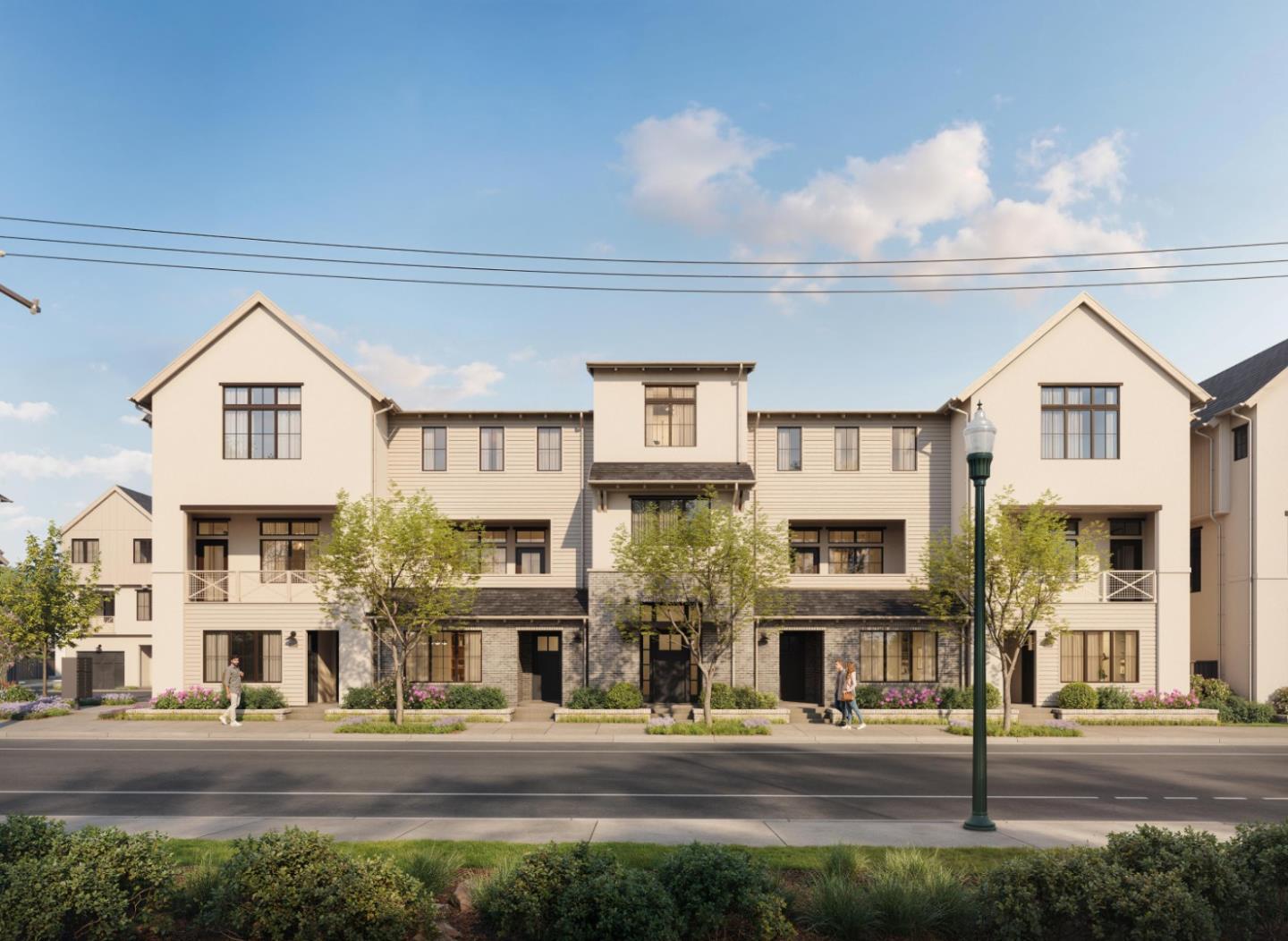
The honest read: Campbell's buyer is patient, comparison-shops across four active communities simultaneously, and punishes an ambitious opening number with time on market rather than a lower offer.
What to do with this
My own recorded data — 94 single-family home closings and 36 condo and townhome closings in Campbell's 95008 ZIP over the trailing 12 months — puts the single-family median at $2,190,000 and the condo and townhome median at $951,500. The trailing 24-month single-family median across 194 sales is $2,100,000. Prices are moving, but not violently.
If you own a large Campbell townhome built before 2014: the data says you're trading in the $683-per-foot regime while your new neighbors trade in the $865 one. Four new communities is not your competition — it's your comp set. New product asking $937 a foot resets what buyers believe this city is worth. The question is whether your home's vintage lets you participate in that reset, or whether it anchors you to the older floor.
If you're buying new: in a market with four builders selling simultaneously, phase-one pricing is never phase-four pricing. The leverage is in knowing what releases next. That information exists well before it hits any public portal.
If you're arguing about housing policy: the fight isn't about whether cities should approve things. It's about whether anything can be built at a number that works. Campbell didn't win by being more permissive in the abstract. It won by allowing the one product shape — three stories, small lot, for-sale, built-in income unit — whose arithmetic actually closes.
The arithmetic you can hold
24.4% more revenue per door, at identical price per foot, on the same size parcel. That one comparison is why four builders are active in a city with no freeway frontage while Cupertino sits dark. It is also, if you own a pre-2014 large townhome in 95008, the number that should be keeping you up at night — because every new closing at $865 a foot is quietly arguing your home is worth less than your neighbor's, and the buyer across the table already knows it.
Tim McMullen, Broker · McMullen Properties LLC · CA DRE #02016832
[email protected] · (415) 691-9272
Data: Verified Market Facts block — 94 single-family closings, 36 condo/townhome closings, trailing 12 months, Campbell 95008; 194 single-family closings, 93 condo/townhome closings, trailing 24 months, Campbell 95008; 4,970 sales on record across 6,706 parcels. Agent-compiled CMA: 39 townhome closings, three-month pull, Campbell, Sunnyvale, Cupertino, Los Altos, and Saratoga. Vintage sub-analysis: 9 large-unit (1,900 sqft+) closings from that same 39-closing set. All figures from recorded, closed sales.
More from Campbell
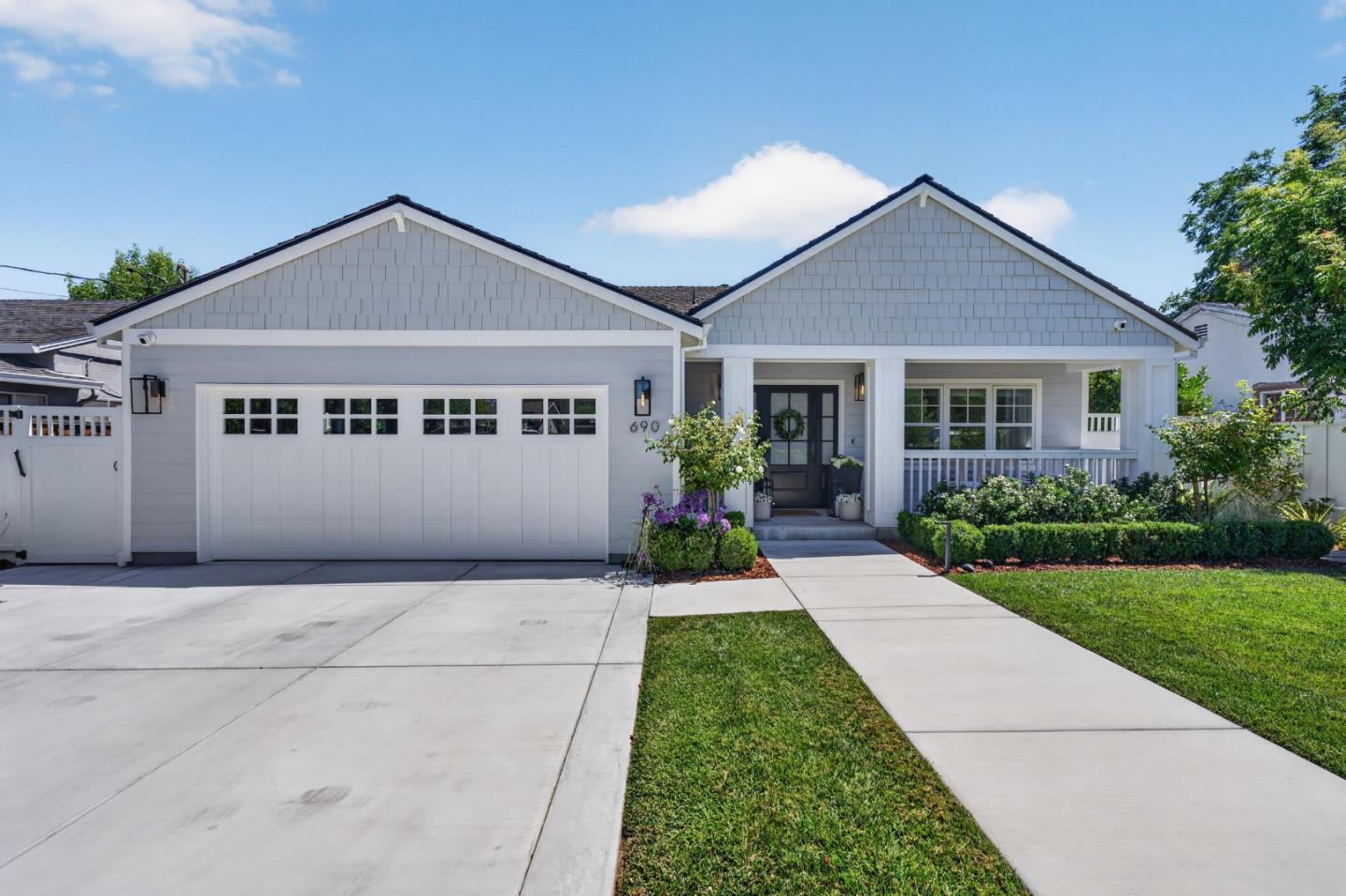
690 Elden Drive closes at $3.3 million, the highest recorded sale in Campbell's last 180 days
690 Elden Drive recorded a $3.3 million closing on September 18 — the highest of 148 sales logged in the last 180 days — while 801 Monica Lane landed $78,000 below its list price on the same day.
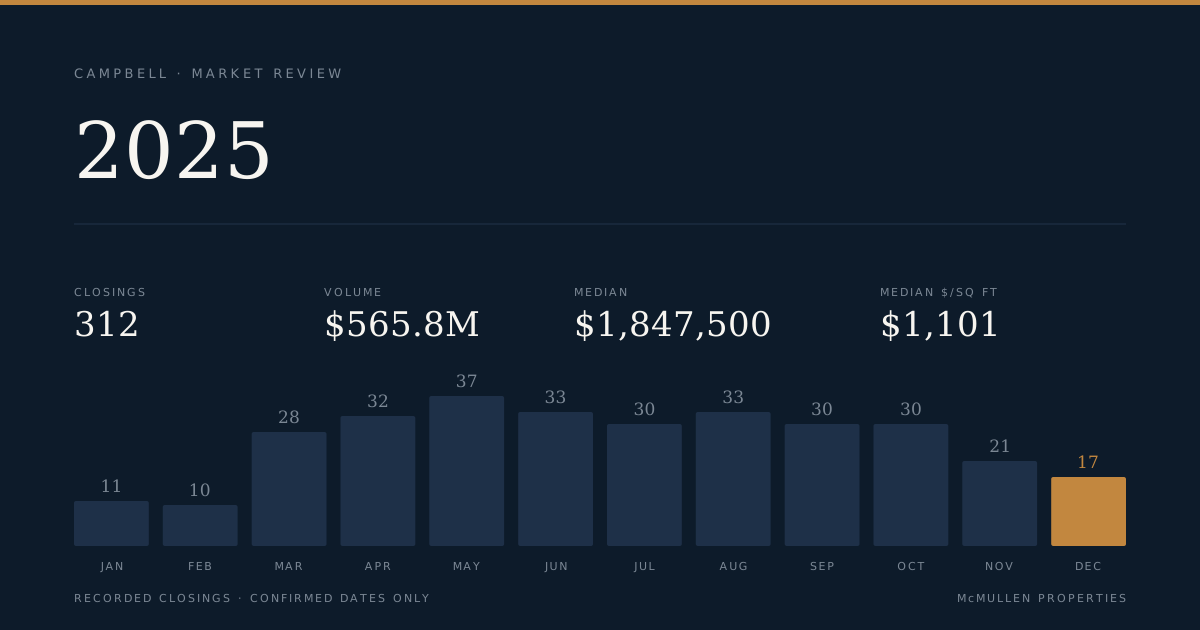
Campbell Records 312 Closings and $565.8M in Volume for 2025, With a $1.45M Spread Between Segments
All 312 closed sales across single-family, townhouse, and condominium segments are reflected in this report. The overall median landed at $1,847,500, while the single-family segment sat $1,443,056 above the condominium median.
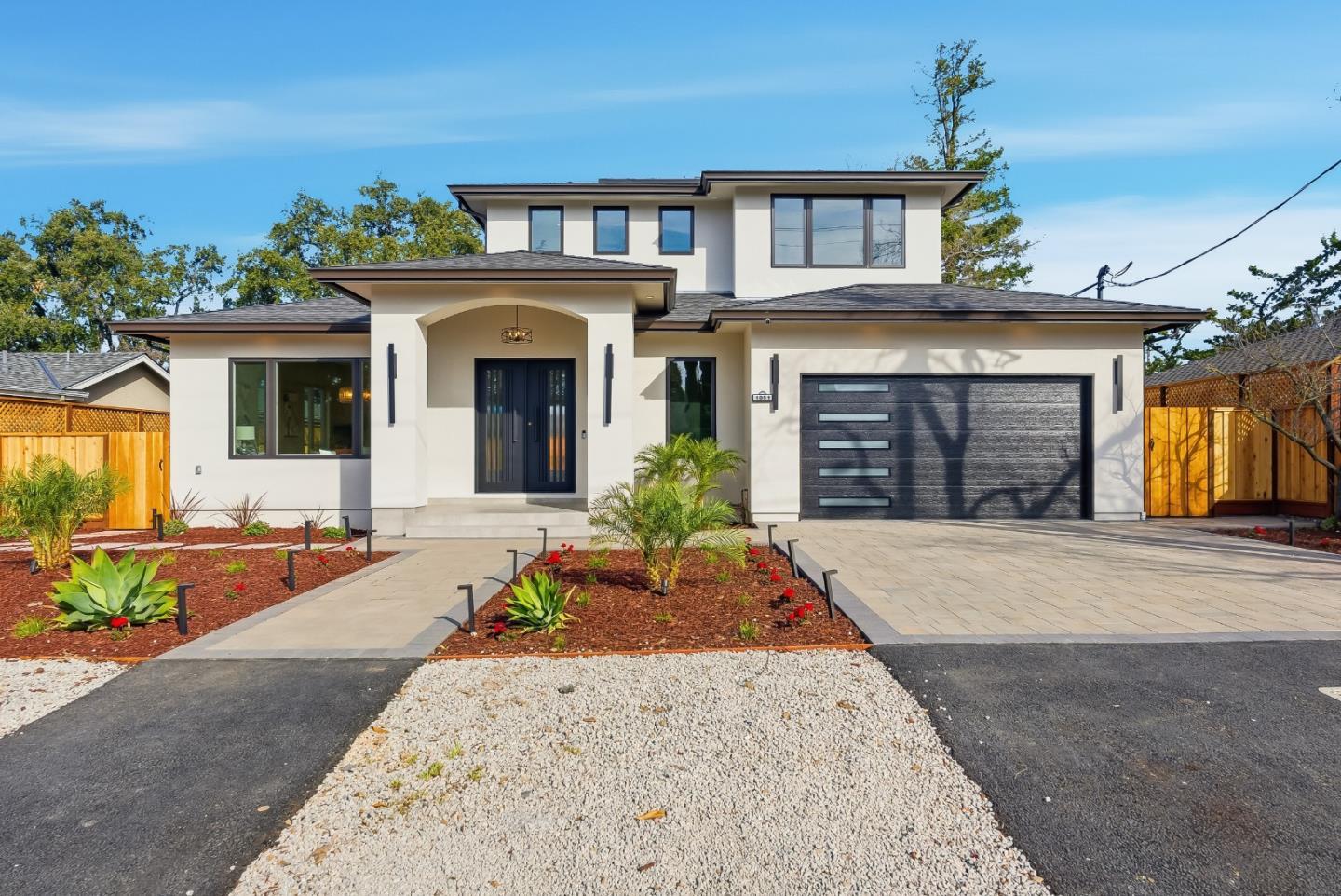
Campbell Q1 2026: 42 Closings, $76M in Volume, and a Median That Fell $408K in Three Months
Forty-two transactions closed across Campbell in Q1 2026, totaling $76.1 million. The overall median price began the quarter at $1,978,888 in January and ended at $1,570,000 in March — a 21 percent slide driven by a shift in the mix of what closed each month.