What Campbell Owners Should Look For on Their Roof This Fall
Why fall, and why here
Of the roughly 6,800 parcels in this market's record, the median year built is 1963. More than 4,700 were built before 1980. A roof put on during a 1965 remodel, or even replaced in the 1990s, is old enough to be approaching the end of its serviceable life — and Campbell's wet winters do not give worn material a slow introduction. The rains that arrive in October and November tend to find every weak spot at once.
A September check is the right time because the roof is dry, daylight runs long enough to see clearly, and you still have time to schedule a roofer before their schedule fills.
Campbell's homes, from the record
| Built | Homes |
|---|---|
| before 1940 | 207 |
| 1940-1959 | 2,230 |
| 1960-1979 | 2,345 |
| 1980-1999 | 1,133 |
| 2000 or later | 765 |
| Single-family homes | 4,554 |
|---|---|
| Median lot | 7,500 sq ft |
| On an acre or more | 3 |
| Median size | 1,680 sq ft |
6,680 of 6,835 parcels in this market's record have a known build year.
What you can see from the ground
You do not need to climb anything to get useful information. A pair of binoculars and a slow walk around the house will show you most of what matters.
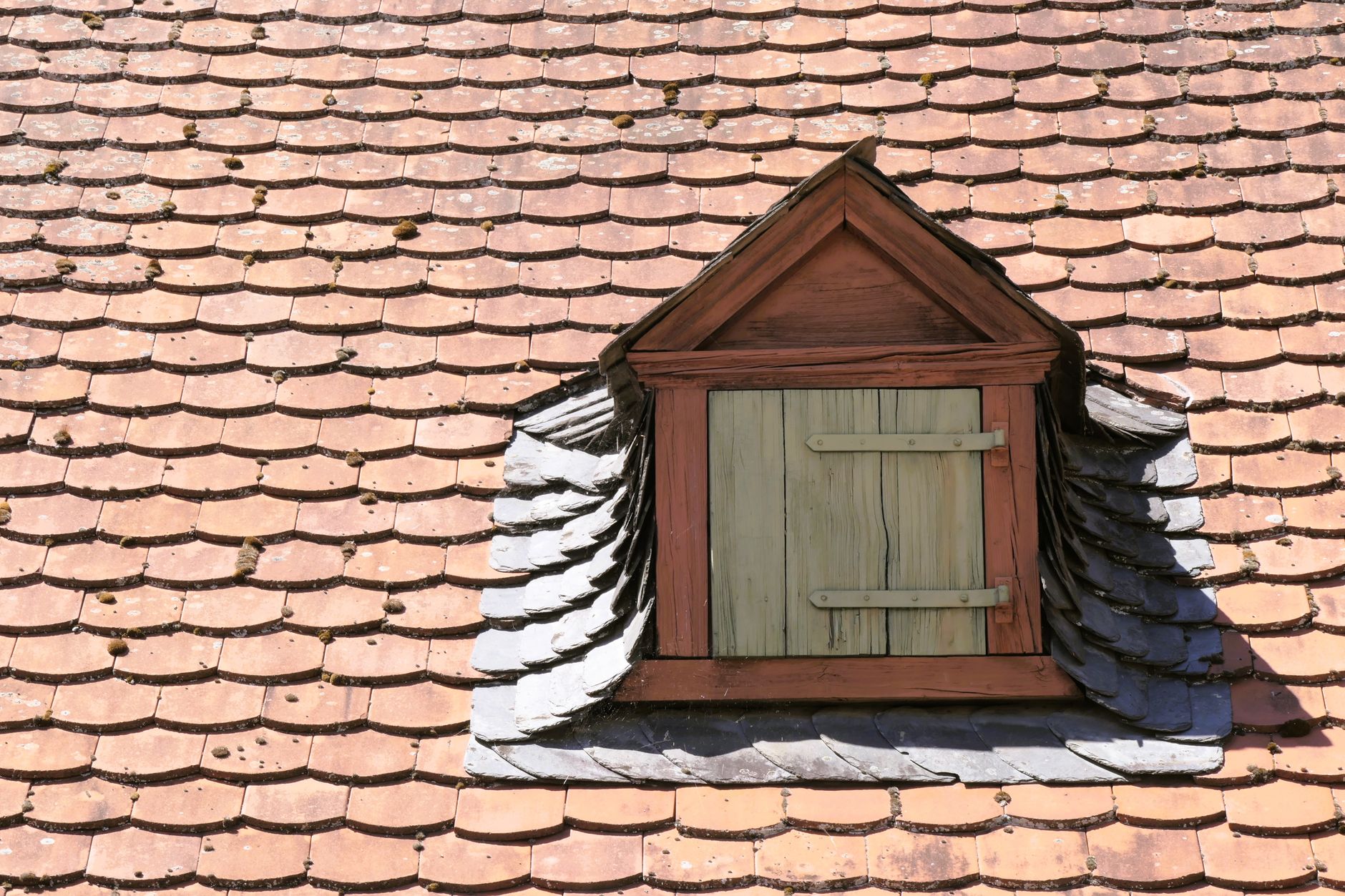
Shingle condition on the slopes. Look for cupping (edges curling upward), clawing (tabs lying flat but middle lifting), or blistering. On older composition roofs — common in Campbell's postwar tracts — granule loss shows up as bare, dark patches or as a sandy buildup in the gutters below. Missing shingles anywhere are an immediate concern.
Valleys. The V-channels where two roof planes meet carry more water per square foot than any other part of the roof. From the ground, look for gaps in the valley flashing, visible rust, or shingles that have worn through where they overlap the metal. On 1950s and 1960s homes here, open-metal valleys sometimes have lap joints that have separated over time.
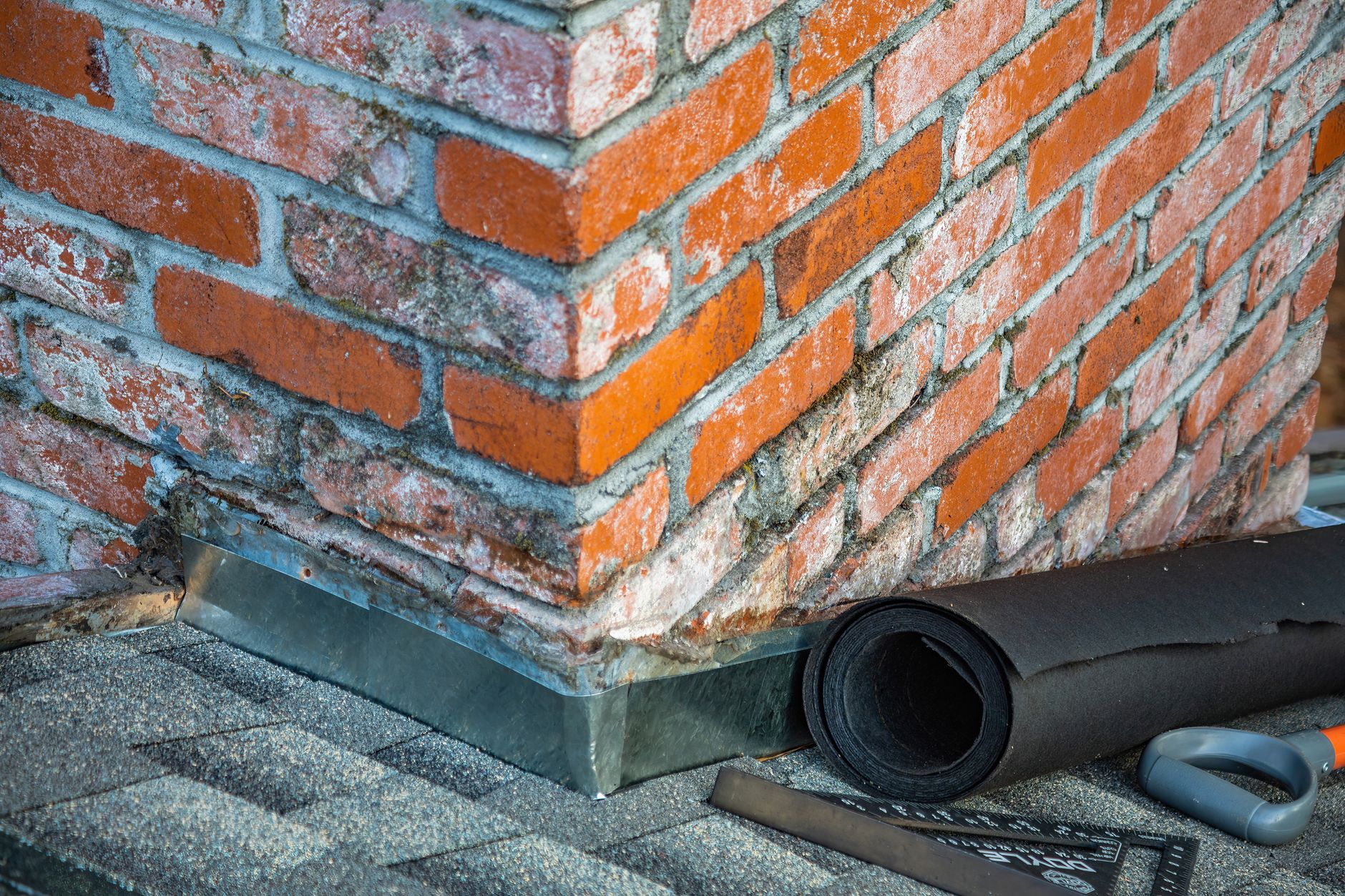
Flashing at penetrations. Chimneys, plumbing vents, skylights, and HVAC curbs all require metal flashing sealed at their base. This is where most leaks start. Look for flashing that has pulled away from a masonry chimney, visible daylight at a vent boot, or old tar that has cracked and shrunk away from the seam. Many of Campbell's mid-century homes added skylights and HVAC penetrations in later decades; those retrofits sometimes had flashing that was barely adequate when it went in.
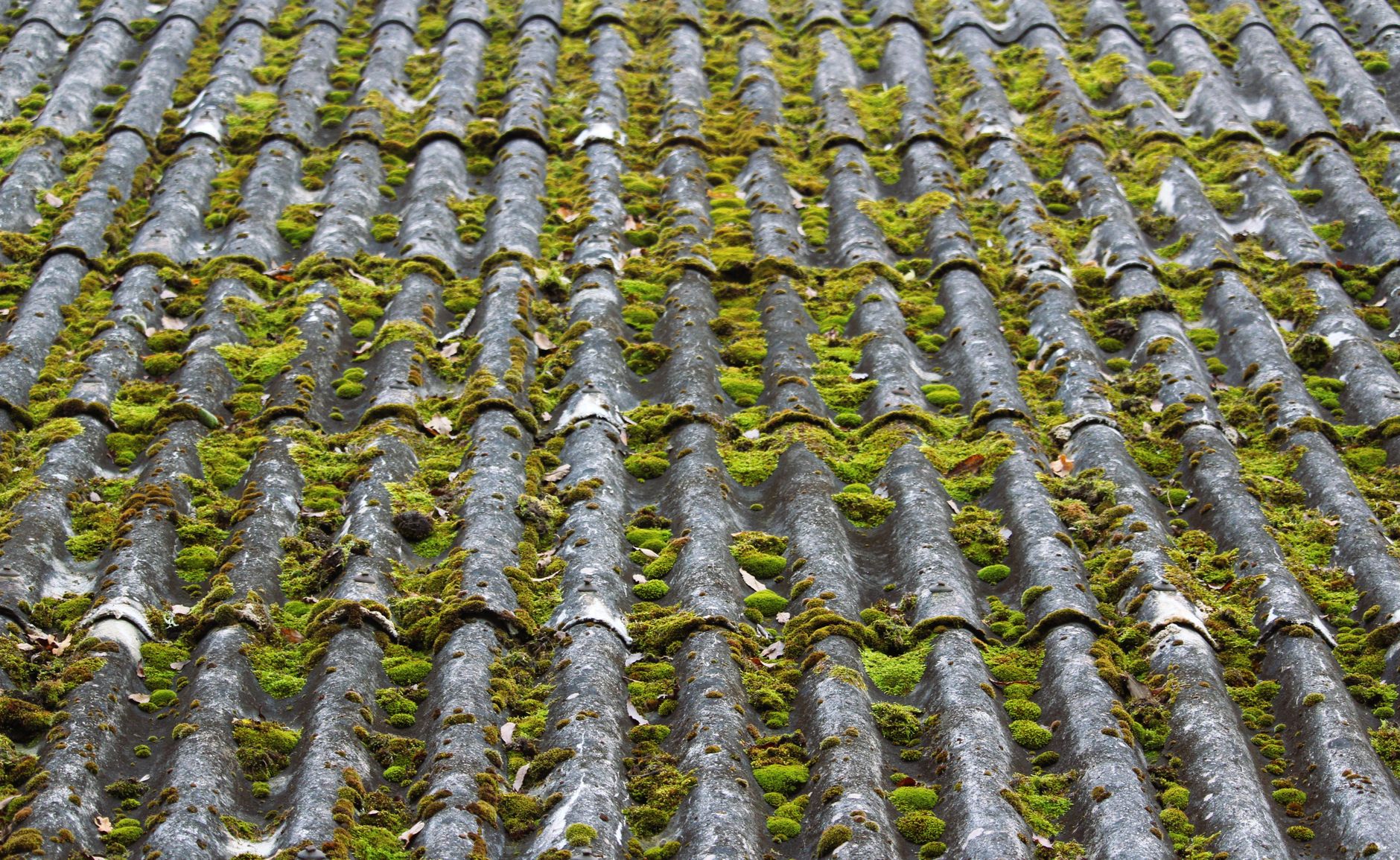
Moss and algae. Moss is common on north-facing slopes and under tree canopy — conditions found on a lot of the 7,500-square-foot median lots in this neighborhood, where mature trees are the rule. Moss holds moisture against the shingles and accelerates granule loss. A soft green or black staining is worth noting even if the shingles underneath are otherwise intact.
Gutters and fascia as clues. Heavily granule-filled gutters suggest a shingle surface that is shedding. Soft or rotted fascia boards below the gutter line suggest water has been overflowing or backing up — which points back to the roof edge and drip edge flashing.
Flat or low-slope sections. Many Campbell homes from the 1960s and 1970s have low-pitched sections over additions, garages, or covered entries. These surfaces — often built-up asphalt or single-ply membrane — age differently than sloped shingles. Look for visible bubbling, standing water marks, or any seam that looks raised or cracked.
What you cannot see from the ground
Attic inspection catches what ground-level observation misses. On a bright morning, close the attic hatch and look for pinpoints of daylight coming through the decking. Then look at the decking itself for dark staining, soft spots, or white mineral deposits left by dried water. Either finding means water has been getting in — possibly for longer than the interior ceiling shows.
You cannot reliably judge whether flashings are properly sealed, whether the decking beneath the shingles has delaminated, or whether a valley is carrying water correctly without getting onto or into the structure. That is when a licensed roofing contractor earns their visit.
When to call a roofer
Call a roofer — not a handyman — if you see any of the following:
- Missing, cracked, or heavily cupped shingles on a substantial portion of a slope
- Any flashing that has visibly separated or is held only by old caulk
- Attic staining or daylight through the decking
- A flat or low-slope section with visible membrane damage
- Moss thick enough to hold its shape when dry
For homes in the 1940–1979 range — the majority of the single-family stock here — a roofer's assessment every few years is reasonable even without a visible trigger. A licensed contractor can tell you what the remaining serviceable life looks like. What that assessment costs and what any repair involves is their call to make, not one to estimate in advance.
If the work requires a permit, the City of Campbell's building department determines what triggers that requirement. A licensed contractor working in Campbell should know the local rules; if there is any question, checking directly with the building department before work begins is the straightforward approach.
Tim McMullen · CA DRE #02016832
[email protected] · (415) 691-9272
More from Campbell
Campbell's only October 13 listing asks $1.6 million
A single townhouse at 107 Platform Way appeared on the MLS feed on October 13. No pendings, no recorded closings.
This Campbell Condo Is Listed $8,000 Below the Last Sale in Its Own Building
Among eight active small condos in Campbell, this 1-bed, 704-square-foot unit at 185 Union Ave is listed lowest by price and lowest by the dollar — $20,000 under the next ask in the same building.
Campbell's priciest comparable listing asks $790K above its nine-home peer median
The newly built 5-bedroom on Virginia Avenue ranks last by price among nine similar active listings in Campbell. Its $1,165-per-square-foot ask sits above the median recorded sale price for comparable homes over the past 12 months.