4,800 Campbell Homes Built Before 1980 Have One October Job
Why October is the moment
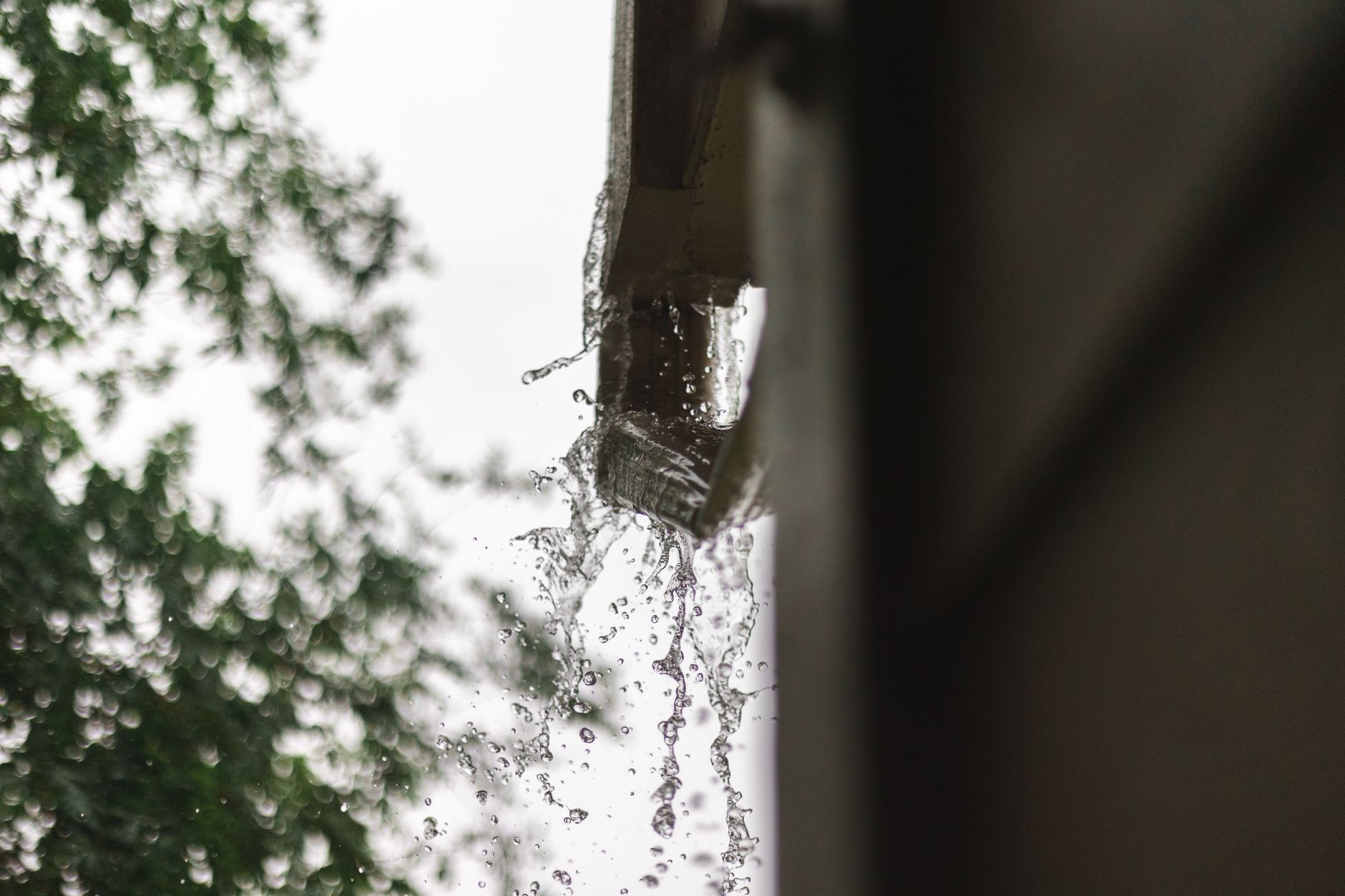
Nearly 4,800 of the roughly 6,850 parcels in this market's record were built before 1980. That is a lot of original or early-replacement gutters on homes that have been through sixty-plus California dry seasons followed by sixty-plus wet ones. The Santa Clara Valley's rain arrives fast when it does — often the first significant storm drops an inch or more in a few hours — and a clogged gutter has no time to drain.
October is the window between the last of the leaf drop and the first real rain. Use it.
Campbell's homes, from the record
| Built | Homes |
|---|---|
| before 1940 | 207 |
| 1940-1959 | 2,231 |
| 1960-1979 | 2,350 |
| 1980-1999 | 1,135 |
| 2000 or later | 769 |
| Single-family homes | 4,563 |
|---|---|
| Median lot | 7,500 sq ft |
| On an acre or more | 3 |
| Median size | 1,680 sq ft |
6,692 of 6,849 parcels in this market's record have a known build year.
What to pull out of the gutter
Leaves are the obvious culprit, but in Campbell's older neighborhoods you will also find shingle grit, roof moss, broken downspout screens, and the occasional tennis ball. Pull it all out by hand or with a gutter scoop — a hose alone pushes debris toward the downspout and packs it there. Work from the far end toward the downspout, not away from it.
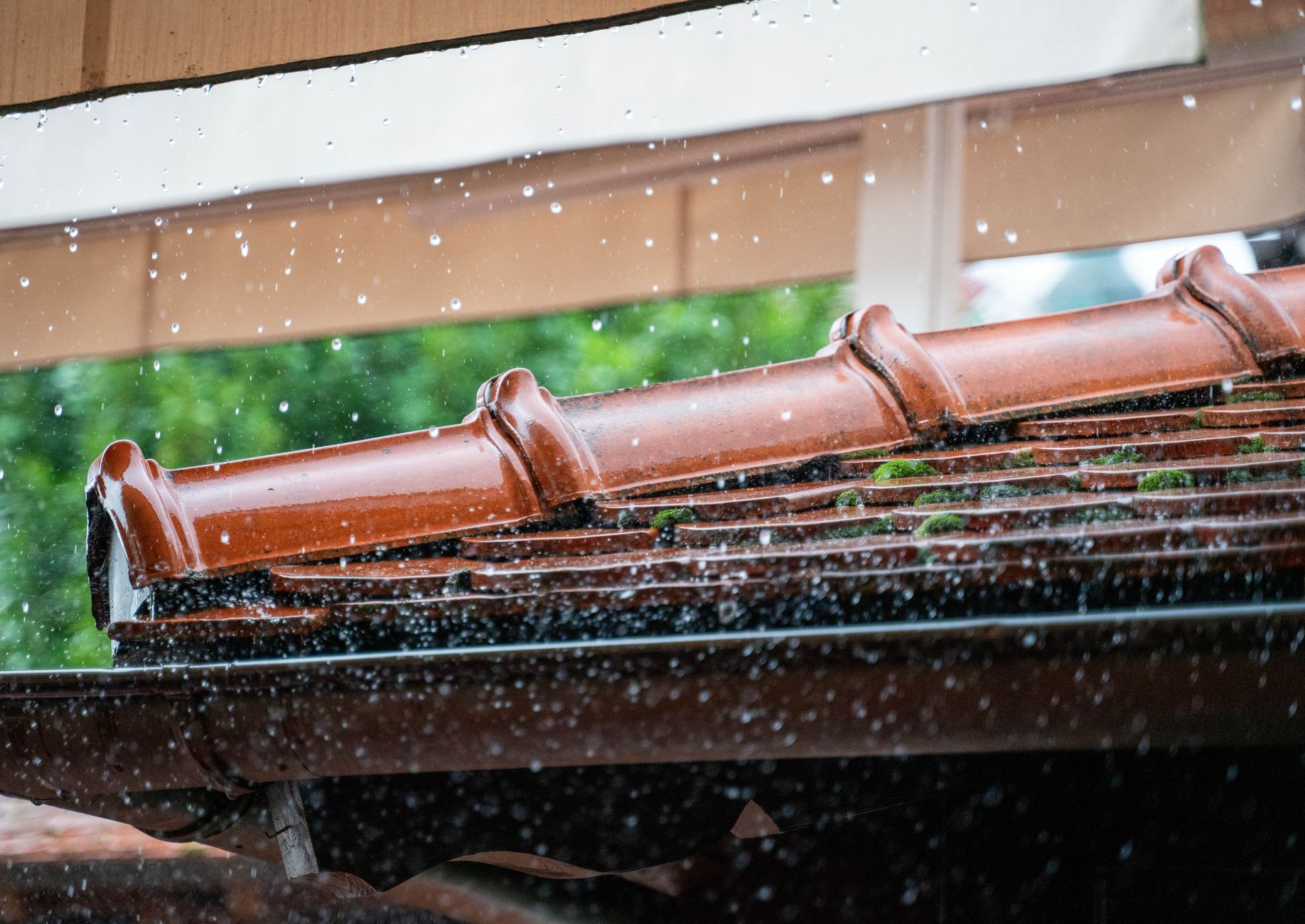
Once the channel is clear, run water from a hose at the far end and watch it move. It should flow steadily toward the downspout with no standing pools. A pool means the gutter has sagged. You can see a sag from the ground if you know to look: sight down the gutter's length from a ladder and the low spot is obvious.
What to look at while you are up there
The inside of the gutter tells you things the ground does not.
- Rust streaks or holes. On galvanized steel gutters — common on homes from the 1950s and 1960s — thin spots and rust-through are normal at this age. A pinhole now is a stream into the fascia by February.
- Fascia and soffit condition. Press the fascia board behind the gutter with your thumb. Soft wood means water has already been getting behind it, probably from a gutter that was pulling away from the roofline.
- Gutter hangers and spikes. Original spike-and-ferrule fasteners work loose over decades. A gutter that tilts outward at the top is already losing its slope. A contractor can reset hangers or replace spikes with hidden hanger screws, which hold better in older wood.
- Downspout connections. Elbows and joints are where downspouts separate. Shake each section gently at the seams. A loose joint will gap under the pressure of a real storm.
- Roof edge. While you have the ladder at the eave, glance at the first few rows of shingles. Lifted tabs, missing granules down to the mat, or gaps at the ridge are worth flagging before the rain, not after.
Where the water should go
This part matters as much as the gutter itself. A clean, well-sloped gutter that dumps water six inches from the foundation has solved half the problem and created another one.
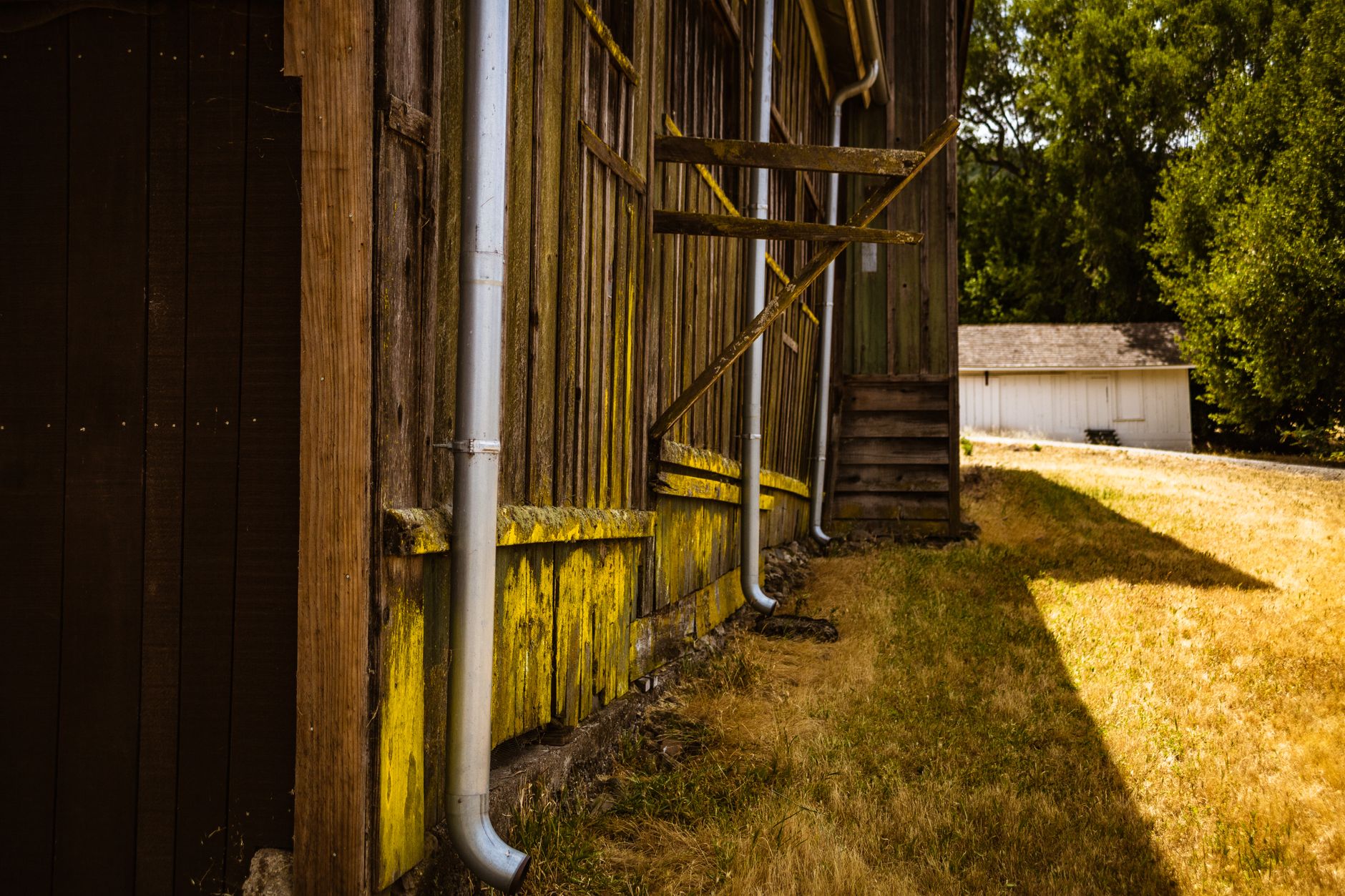
Downspout extensions should carry water at least four to six feet away from the house, and the grade at that point should slope away from the foundation, not toward it. Many Campbell lots from the postwar decades have settled enough that the original grading no longer drains away cleanly. You can check this with a long level and a tape measure on a dry day.
If extensions are not practical — a narrow side yard, a paved surface — a buried drain line to a pop-up emitter in the yard is a common solution here. A licensed contractor can assess whether your soil and lot configuration support it; on some older Campbell properties, the drain options are limited by existing hardscape.
Do not direct downspout water onto a neighbor's property or into the street in a way that concentrates runoff. What counts as acceptable discharge in a specific situation is a question for the City of Campbell's building or public works department, not a rule to guess at.
Condos and townhouses
About 1,700 parcels in this record are condominiums. If you own one, check your CC&Rs before climbing anything. Gutters on the building exterior are almost always the HOA's responsibility to maintain, but the rule varies by association. Your obligation may be to report the problem, not fix it.
Where to check
No external sources were used in this article. For questions about drainage discharge or work that requires a permit, contact the City of Campbell Building Division directly.
Tim McMullen · CA DRE #02016832
[email protected] · (415) 691-9272
More from Campbell

Same day in Campbell: a $800K condo listed, a $1.6M house went pending
A condominium on Apricot Avenue appeared on the MLS and a single-family home on Olympia Avenue went under contract. No closings recorded.
One condo appeared on the Campbell MLS October 30. Nothing else moved.
A condominium at 388 Union Avenue #C appeared on the MLS feed on October 30 at $999,888. No sales recorded, no contracts signed.
Campbell's only listing Wednesday asks $1.7M — below the city's recent median
A quiet Wednesday in Campbell produced exactly one new listing — a single-family home at $1.7 million — against a market where the median sale price over the past 180 days sits at $1,825,000 across 125 transactions.