Most Campbell Furnaces Heat Ducts That Have Never Been Touched
Why this matters in Campbell specifically
Of the roughly 6,800 parcels in Campbell's housing record, more than 4,700 were built before 1980, and the median year built across the market is 1963. A house from that era likely has a gas furnace that has been replaced at least once, possibly twice, and ductwork that has never been touched. Some of those systems are fine. Some are quietly leaking combustion gases into living space. October is when you find out which camp you are in, before you actually need heat.
Campbell's homes, from the record
| Built | Homes |
|---|---|
| before 1940 | 207 |
| 1940-1959 | 2,231 |
| 1960-1979 | 2,350 |
| 1980-1999 | 1,135 |
| 2000 or later | 769 |
| Single-family homes | 4,563 |
|---|---|
| Median lot | 7,500 sq ft |
| On an acre or more | 3 |
| Median size | 1,680 sq ft |
6,692 of 6,849 parcels in this market's record have a known build year.
What a service visit covers
A licensed HVAC technician running a standard heating tune-up will generally do the following:
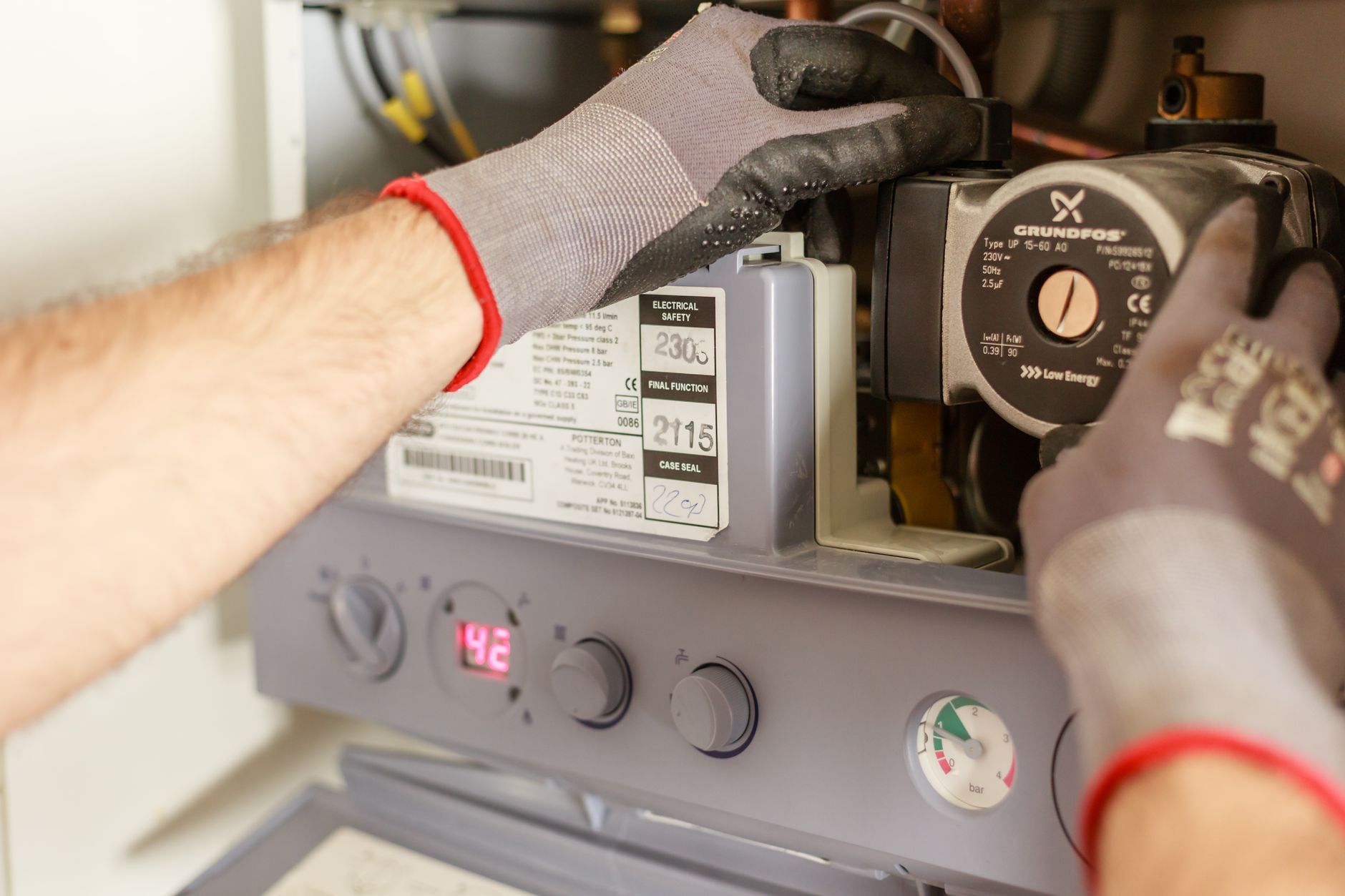
- Inspect the heat exchanger for cracks (this is the part that separates combustion gases from circulated air)
- Check burner operation and flame pattern
- Test the igniter, limit switches, and safety controls
- Measure temperature rise across the air handler
- Inspect the flue and venting for blockages or disconnects
- Clear and test the condensate drain on a heat pump or dual-fuel system
- Lubricate moving parts where the manufacturer calls for it
- Check refrigerant charge on a heat pump (visual and operational, not always a full gauge check)
- Inspect the filter and note its condition
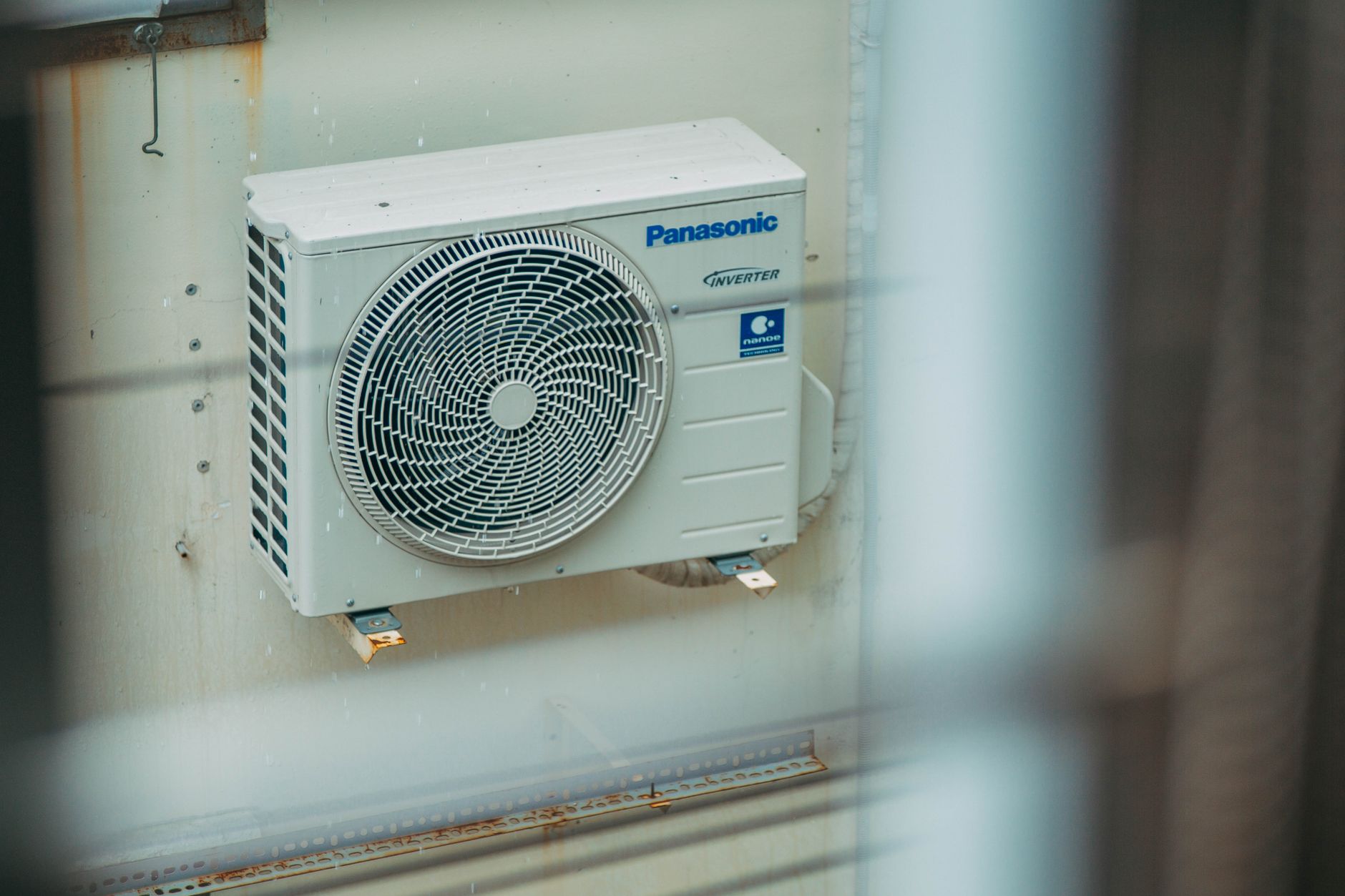
What the visit does not cover: replacing parts that show wear, repairing ductwork, or clearing a blocked flue. Those are separate jobs with separate costs. A technician who finds a cracked heat exchanger will typically shut the furnace off and call that a safety issue, not a tune-up line item.
The carbon monoxide question
A cracked heat exchanger is the scenario that makes carbon monoxide detectors relevant, not optional. California requires CO detectors in dwelling units with an attached garage or a fossil-fuel burning appliance. Most Campbell single-family homes meet both criteria. If you do not have a working CO detector on every level of the home, add that to the October list before the furnace comes on. A detector tells you there is a problem; it does not tell you where the problem is. A technician with a combustion analyzer tells you where.
Heat pumps do not burn fuel, so they do not produce CO directly. If your system is a heat pump with a gas backup strip or a dual-fuel setup with a gas furnace as the backup, the gas side still needs the same inspection.
Filters: the part owners actually control
A service technician will note the filter condition, but changing it is your job between visits. Campbell's air in fall and winter is shaped by two things: wildfire smoke from regional events and the valley's tendency to trap particulate matter when marine air stalls. A filter that might last three months in a drier, less event-prone climate can load up faster here.
The right filter is the one the equipment manufacturer specifies. A thicker, higher-MERV filter traps more particles but also restricts airflow more. On an older furnace with a smaller blower motor, a filter that is too restrictive reduces airflow enough to cause the heat exchanger to overheat and trip the limit switch. If you have been buying the densest filter at the hardware store because it sounds better, ask the technician whether your system's blower can actually push air through it.
Mark the filter change date on the filter itself with a marker. It takes ten seconds and removes all guesswork the next time you open the door.
Heat pumps: a slightly different checklist
Campbell's mild winters mean a heat pump runs efficiently through most of the heating season without ever switching to emergency heat. That mild climate also means some owners do not realize the outdoor unit needs attention. Before the first cold snap:
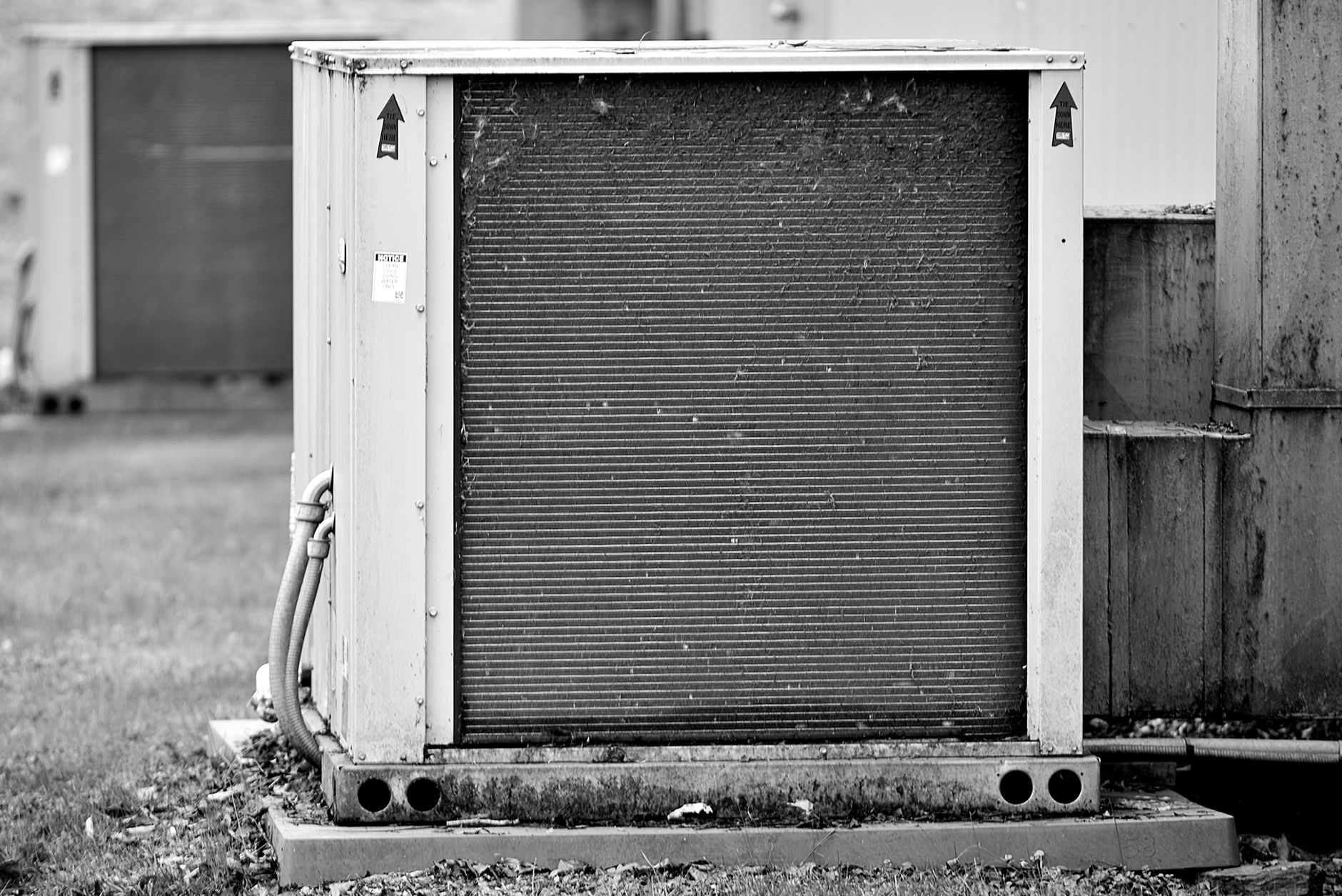
- Clear vegetation and debris from the outdoor unit's clearance zone
- Make sure the coil fins are not bent or packed with debris
- Check that the unit is level; settlement over time is common on older installations
Refrigerant charge and defrost cycle testing are part of the technician's job, not yours. If the system is blowing lukewarm air or running in emergency heat mode when it should not be, that is a call to a licensed technician, not a filter problem.
Condo and townhouse owners
About 1,700 parcels in Campbell's record are condominiums, and a significant share of those buildings have central heating or shared mechanical systems. Before you schedule anything, check your CC&Rs and contact the HOA to confirm what is the association's maintenance responsibility and what falls to you. Servicing equipment that belongs to the HOA is not your job and may create liability if something goes wrong afterward.
The practical October sequence
- Check whether you have a working CO detector on each level.
- Pull the current filter and look at it.
- Schedule service now, before technicians are booked through mid-November.
- When the technician comes, ask directly: is the heat exchanger intact, and is the venting clear?
That is the conversation. Everything else is maintenance scheduling.
Tim McMullen · CA DRE #02016832
[email protected] · (415) 691-9272
More from Campbell
Same day in Campbell: a $800K condo listed, a $1.6M house went pending
A condominium on Apricot Avenue appeared on the MLS and a single-family home on Olympia Avenue went under contract. No closings recorded.
One condo appeared on the Campbell MLS October 30. Nothing else moved.
A condominium at 388 Union Avenue #C appeared on the MLS feed on October 30 at $999,888. No sales recorded, no contracts signed.
Campbell's only listing Wednesday asks $1.7M — below the city's recent median
A quiet Wednesday in Campbell produced exactly one new listing — a single-family home at $1.7 million — against a market where the median sale price over the past 180 days sits at $1,825,000 across 125 transactions.